In today’s digital age, the rise of social media and online communication has transformed how we connect with others. Unfortunately, this shift has also paved the way for a troubling phenomenon: cyberbullying. If you’ve ever witnessed or experienced online harassment, you know just how damaging it can be.
Cyberbullying isn’t just a passing trend; it’s a serious issue that affects millions of people, particularly young individuals. It can take many forms, from hurtful messages to public shaming, and its impact can be devastating. Understanding the signs and consequences of cyberbullying is crucial for fostering a safer online environment. Let’s dive into this pressing topic and explore how we can combat cyberbullying together.
Understanding Cyberbullying
Cyberbullying refers to the harassment or intimidation of individuals through digital platforms. It involves aggressive behavior carried out via social media, messaging apps, or online forums. Recognizing its forms and impacts is crucial to addressing this growing issue.
Definition of Cyberbullying
Cyberbullying occurs when someone uses technology to harm others. This behavior can manifest through various digital channels. The aggressor might send threatening messages, spread rumors, or share embarrassing photos. Unlike traditional bullying, cyberbullying can take place 24/7, making it harder for victims to escape. The anonymity offered by the internet often emboldens bullies, contributing to the prevalence of these aggressive behaviors.
Types of Cyberbullying
Various types of cyberbullying include:
- Harassment: Sending abusive messages repeatedly to target a person.
- Impersonation: Pretending to be someone else online to damage their reputation.
- Doxxing: Sharing personal information without consent to intimidate or harm.
- Exclusion: Deliberately excluding someone from an online group or activity.
- Outing: Revealing someone’s private information or secrets to embarrass them.
- Flaming: Posting inflammatory comments to provoke a reaction.
Each type of cyberbullying affects individuals differently. It can lead to emotional distress, anxiety, and, in severe cases, self-harm.
Recognizing Signs of Cyberbullying
Recognizing the signs of cyberbullying in yourself or others is vital. Signs include:
- Changes in behavior or mood
- Sudden withdrawal from social activities
- Decreased academic performance
- Unexplained injuries or physical complaints
- Reluctance to use devices or social media
Awareness of these signs can help in taking timely action to address the bullying situation.
Consequences of Cyberbullying
The consequences of cyberbullying can be severe. Victims often experience:
| Consequences | Description |
|---|---|
| Emotional distress | Feelings of sadness, anxiety, or anger |
| Social isolation | Withdrawal from friends and social situations |
| Academic challenges | Decrease in school performance and attendance |
| Long-term mental health issues | Increased risk of depression and anxiety disorders |
Understanding these consequences emphasizes the importance of combating cyberbullying effectively.
Combating Cyberbullying
Combatting cyberbullying requires collaborative efforts. Here are effective strategies:
- Educate: Provide education on digital etiquette and the effects of cyberbullying.
- Report: Encourage reporting incidents to platform moderators or authorities.
- Support: Offer emotional support to victims, reinforcing that they are not alone.
- Monitor: Keep track of online interactions, especially for younger individuals.
Creating a supportive and informed environment significantly reduces the likelihood of cyberbullying incidents.
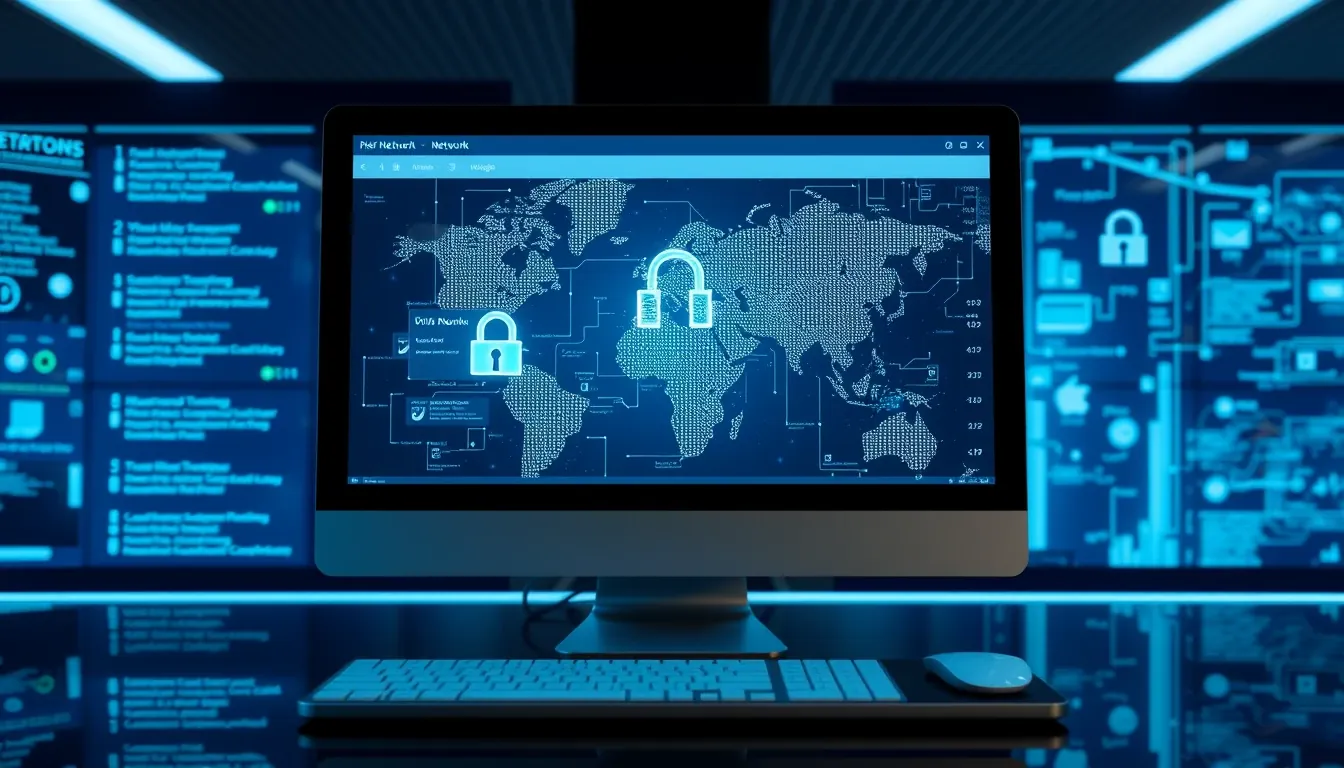
A Virtual Private Network (VPN) enhances your internet security and privacy. It creates a secure connection between your device and the internet. This article breaks down how VPNs work, their benefits, and how to choose one.
Causes of Cyberbullying
A VPN is a service that encrypts your internet connection. It hides your IP address and keeps your online activities private. When you use a VPN, your data travels through a secure tunnel to the VPN server. This process protects you from hackers and nosy third parties.
Key Terms
- Encryption: The process of converting information into a secure format.
- IP Address: A unique identifier for your device on the internet.
- Secure Tunnel: An encrypted pathway for your data to travel through.
How Does a VPN Work?
A VPN works through three main steps:
- Connection: You connect to the internet and launch your VPN app.
- Encryption: The VPN encrypts your data. This ensures that no one can see what you’re doing online.
- Redirecting Traffic: Your data goes through the VPN server. The server replaces your IP address with its own. This hides your location.
Here’s a simple flowchart to illustrate how a VPN operates:
Your Device → VPN App → Encrypted Data → VPN Server → Internet
Benefits of Using a VPN
A VPN provides several key advantages:
- Increased Privacy: Your online activities remain private, even on public Wi-Fi.
- Enhanced Security: Encryption protects your sensitive data from hackers.
- Bypass Geo-Restrictions: Access content that may be blocked in your region.
- Avoid Bandwidth Throttling: Some ISPs limit your speed; a VPN can help you bypass this.
Table of Benefits
| Benefit | Description |
|---|---|
| Increased Privacy | Hides your online activities from prying eyes. |
| Enhanced Security | Protects your data with strong encryption. |
| Bypass Geo-Restrictions | Allows access to restricted websites and content. |
| Avoid Bandwidth Throttling | Prevents speed reductions from your ISP. |
Choosing the Right VPN
When selecting a VPN, consider the following:
- Security Features: Look for strong encryption protocols.
- Speed: Ensure the VPN provides fast connections.
- Server Locations: A wide range of servers helps access different regions.
- User-Friendly Interface: Choose an app that’s easy to navigate.
- Customer Support: Reliable support is essential for troubleshooting.
Factors to Compare
| Factor | Description |
|---|---|
| Security Features | Includes encryption strength and protocols. |
| Speed | Connection speed and performance. |
| Server Locations | Number of servers and geographic coverage. |
| User Interface | Ease of use and accessibility. |
| Customer Support | Availability and responsiveness of support. |
Common Misconceptions About VPNs
- VPNs are Illegal: Using a VPN is legal in many countries.
- VPNs guarantee complete anonymity: While they improve privacy, they don’t make you completely anonymous.
- VPNs slow down the internet: A good-quality VPN should not significantly reduce your speed.
| Myth | Fact |
|---|---|
| VPNs are illegal | Legal in many countries |
| VPNs guarantee complete anonymity | They enhance privacy but don’t ensure total anonymity |
| VPNs always slow down the internet | Quality VPNs maintain connection speed |
Conclusion
Using a VPN helps protect your online privacy. It encrypts your data and hides your IP address. By understanding what a VPN is and how it works, you can make informed decisions to enhance your cybersecurity.
Exploring different VPN options provides the best protection tailored to your needs.
A Virtual Private Network (VPN) provides an additional layer of security when you’re online. This guide explains how VPNs work, their benefits, and how you can use them effectively.
Effects of Cyberbullying
A VPN is a technology that creates a secure connection over the internet between your device and a server. It encrypts your data and hides your IP address. This makes it harder for others to track your online activities.
How Does a VPN Work?
- Encryption: When you connect to a VPN, your data gets encrypted. This means it is scrambled, so even if someone intercepts it, they can’t read it.
- Tunneling: A VPN builds a ‘tunnel’ for your data. The data travels through this secure tunnel instead of the public internet. This adds another layer of security.
- Your IP Address Changes: Instead of showing your actual IP address, the VPN uses its own. This makes your online actions harder to trace back to you.
Here’s a simple diagram showing how a VPN connection works:
Your Device ➜ VPN Server ➜ Internet
Benefits of Using a VPN
Using a VPN comes with several advantages:
| Benefit | Explanation |
|---|---|
| Increased Security | VPNs encrypt your data, making it safer from hackers. |
| Privacy Protection | VPNs hide your IP address to reduce tracking. |
| Access to Restricted Content | VPNs allow you to bypass geo-restrictions and access websites blocked in your region. |
| Avoiding Bandwidth Throttling | Some ISPs limit speeds for certain activities; a VPN can help avoid this. |
| Safe Public Wi-Fi Use | VPNs protect your data when using public Wi-Fi networks. |
Choosing the Right VPN
When selecting a VPN, consider the following factors:
- Security Features: Look for strong encryption, no logs policy, and secure protocols.
- Speed: Check reviews for speed performance.
- Server Locations: A wide range of servers can improve access to content.
- User-Friendly Interface: Make sure the app is easy to use.
- Customer Support: Choose a VPN with responsive technical support.
Common VPN Misconceptions
- VPNs Are Totally Anonymous: While VPNs provide privacy, they don’t make you completely anonymous online.
- VPNs Slow Down Internet: Some VPNs can be slow, but many offer high-speed connections.
- VPNs Are Only for Cybersecurity: While they enhance security, VPNs also allow you to access region-locked content.
Conclusion
Understanding how a VPN works and its benefits is essential for safer online activities. By following the guidelines above, you’ll be better equipped to secure your internet connection and protect your privacy. Use a VPN for increased security, privacy, and to unlock a broader range of online content.
Prevention Strategies
Creating a proactive approach to prevent cyberbullying involves the participation of various stakeholders, including parents, educators, and the community.
Role of Parents and Guardians
Parents and guardians play a crucial role in preventing cyberbullying. They can create a safe online environment by:
- Establishing Rules: Set clear guidelines for online behavior. Discuss acceptable and unacceptable actions.
- Monitoring Online Activity: Keep an eye on your child’s internet usage. Use parental control tools if necessary.
- Encouraging Open Communication: Foster a supportive atmosphere. Encourage your child to share their online experiences without fear of judgment.
- Educating About Cybersecurity: Teach your child about online privacy. Explain the importance of protecting personal information.
By taking these steps, parents help their children navigate the online world safely and identify potential risks.
Importance of Education
Education is vital in the fight against cyberbullying. Schools and communities should implement programs that focus on:
- Digital Citizenship: Teach students about responsible online behavior. Discuss the impact of their actions on others.
- Anti-Cyberbullying Campaigns: Organize workshops and seminars. Raise awareness about the effects of cyberbullying.
- Bystander Intervention: Encourage students to speak out against bullying. Empower them to report incidents they witness.
Integrating these topics into the curriculum reinforces the message that everyone has a role in preventing cyberbullying.
Community Collaboration
Involving the community enhances prevention efforts. Communities can support anti-cyberbullying measures by:
- Hosting Events: Organize community workshops about internet safety. Provide resources for families.
- Creating Support Groups: Establish forums for victims and their families. Offer emotional support and guidance.
- Partnering with Local Organizations: Collaborate with nonprofits and mental health services. Leverage their expertise in addressing cyberbullying.
When everyone works together, the impact of prevention strategies increases significantly.
Utilization of Technology
Leveraging technology can also aid in preventing cyberbullying.
- Monitoring Software: Consider using monitoring apps that track online interactions. Ensure they respect privacy while providing security.
- Educational Websites: Access websites that teach cybersecurity principles. These resources can provide valuable information for both parents and children.
- Reporting Tools: Familiarize yourself with reporting features on social media platforms. Promptly report incidents of cyberbullying to ensure timely action.
By incorporating these technological solutions, you bolster your defenses against cyberbullying.
Conclusion
Cyberbullying is a pervasive issue that can have devastating effects on individuals and communities. By fostering awareness and understanding of its signs and consequences, you can play a vital role in creating a safer online environment.
Implementing effective prevention strategies is crucial. Encourage open dialogue with your children and educate them about responsible online behavior. Collaborating with schools and local organizations enhances community efforts to combat this issue.
Utilizing tools like VPNs can further protect your privacy while navigating the digital landscape. By taking these proactive steps, you contribute to a culture of respect and safety in the online world, ensuring that everyone can enjoy their digital experiences without fear of harassment.